
Blade vs Mallet Putters: Which One Should You Be Using?
, by NJ van der Walt, 6 min reading time
, by NJ van der Walt, 6 min reading time
Choosing the right putter can have a bigger impact on your score than any other club in the bag. Yet many golfers choose a putter based on looks, what the pros are using, or what feels good for five minutes in a shop.
Choosing the right putter can have a bigger impact on your score than any other club in the bag. Yet many golfers choose a putter based on looks, what the pros are using, or what feels good for five minutes in a shop.
The real question is this:
Should you be putting with a blade or a mallet putter — and why?
Let’s break it down properly.
At the most basic level, blade and mallet putters differ in shape, weighting, forgiveness, and alignment. But the right choice depends far more on your putting stroke than your handicap.

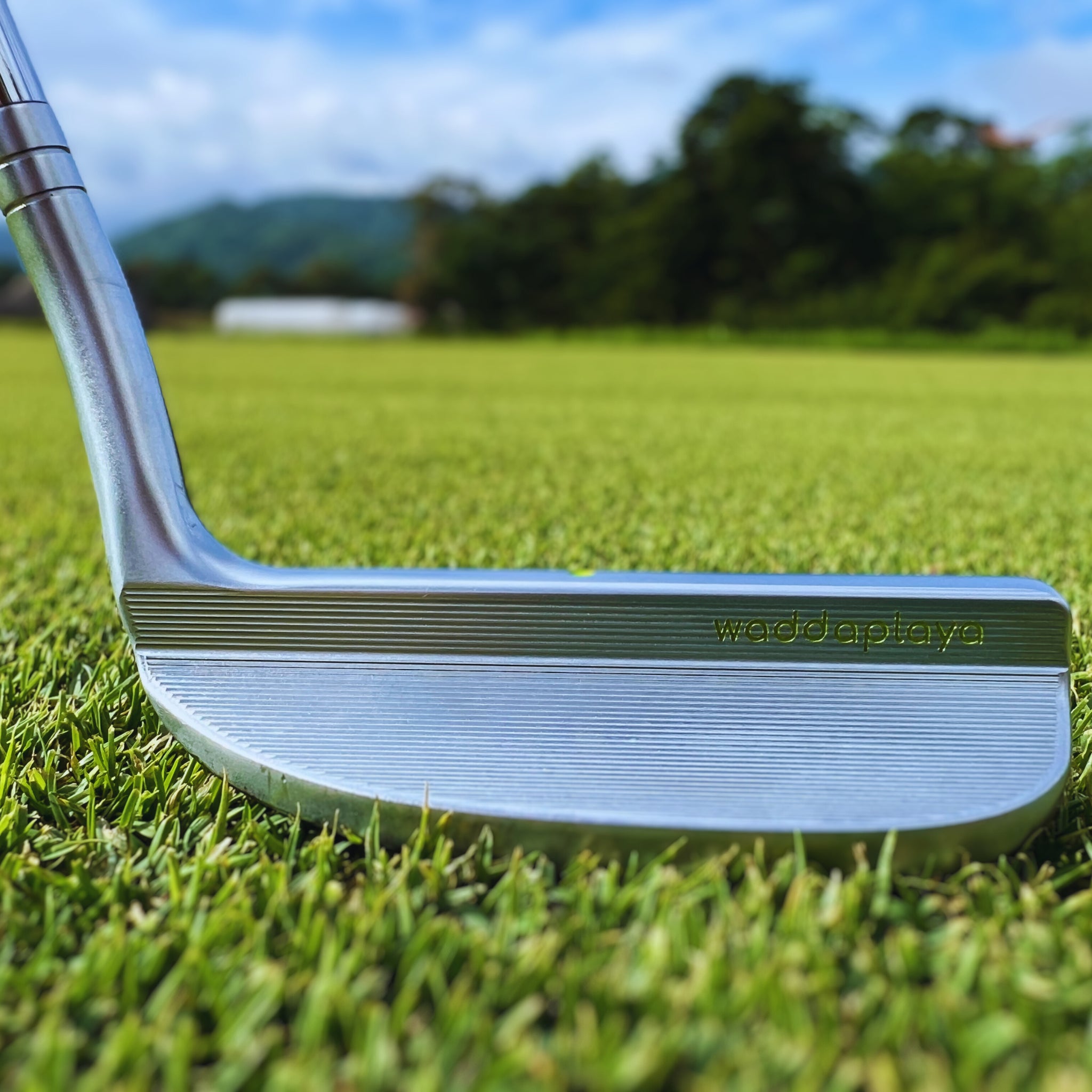

Blade putters are the traditional, compact putters most golfers grew up seeing. They have:
A smaller head
Weight concentrated closer to the face
Minimal alignment aids
Blade putters generally work best for golfers who:
Have a strong arc in their putting stroke
Rotate the putter face naturally
Prefer feel and feedback
Strike the centre of the face consistently
✅ Excellent feel and feedback
✅ More face control for arcing strokes
❌ Less forgiveness on mishits
❌ Off-centre hits lose speed quickly
Blade putters reward good technique — but they don’t hide mistakes.
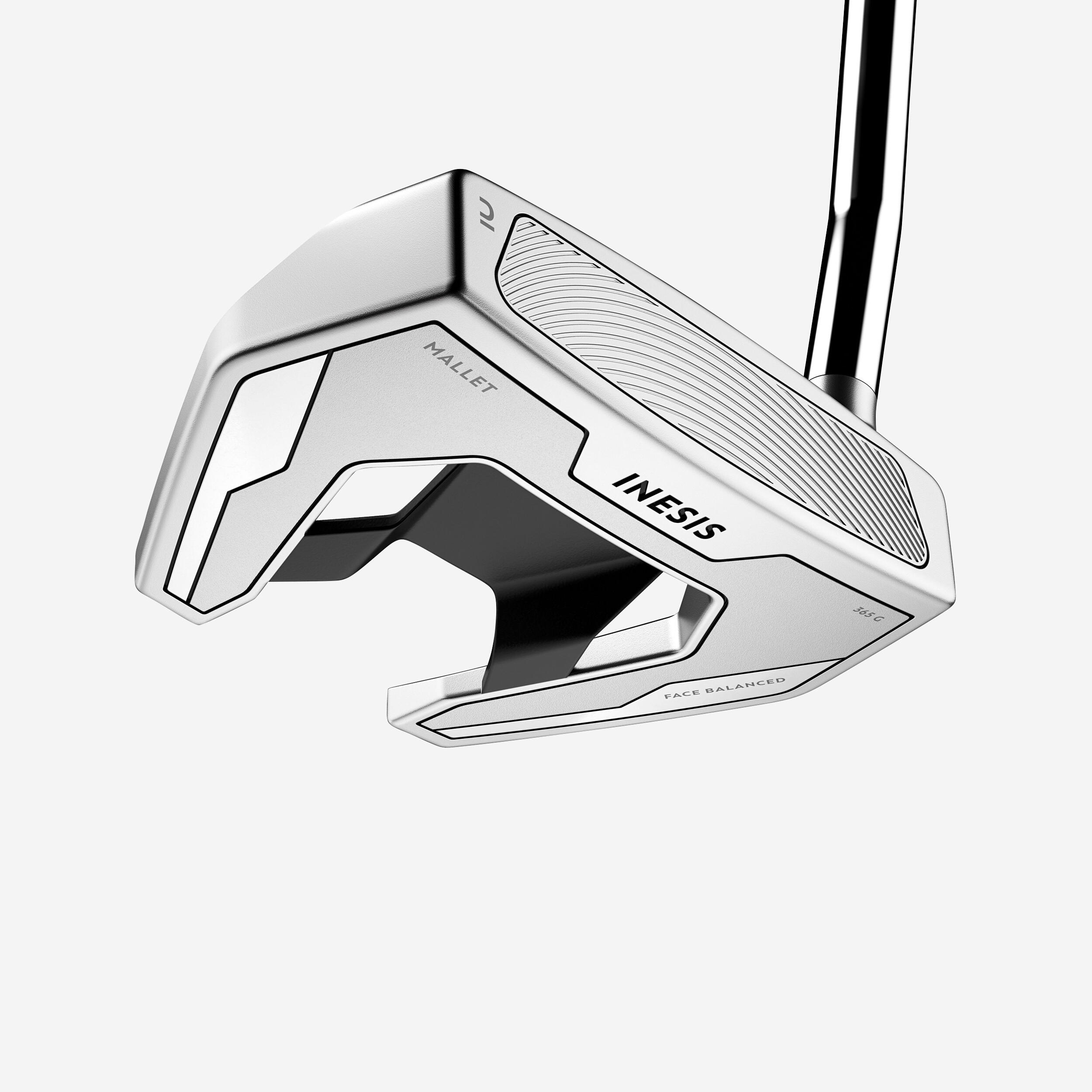

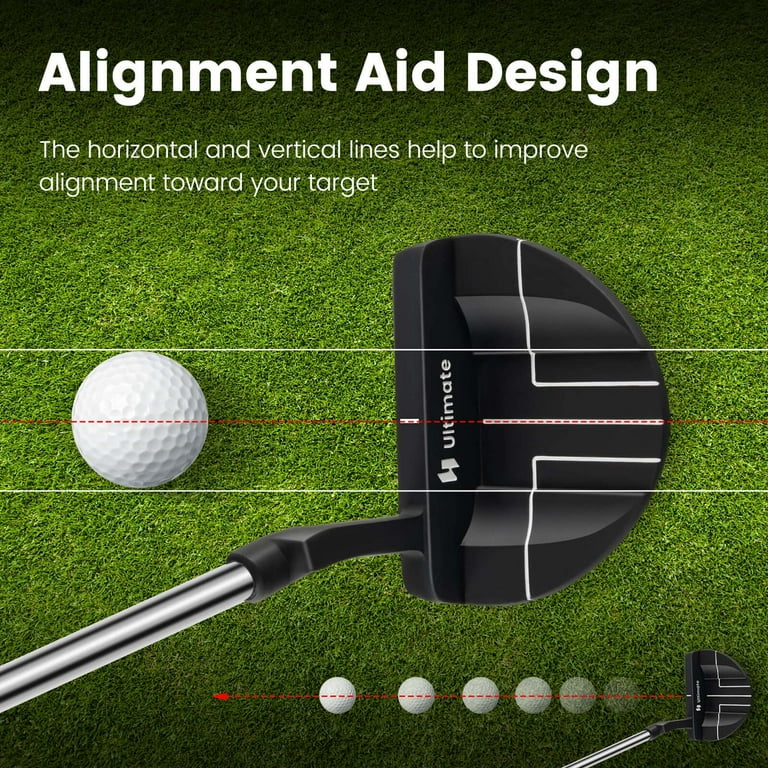
Mallet putters have a larger head and distribute weight away from the face. They often feature:
High MOI (moment of inertia)
Bigger alignment aids
Face-balanced designs
Mallet putters are ideal for golfers who:
Have a straight-back, straight-through stroke
Struggle with face control
Miss the centre of the face
Want consistency and forgiveness
✅ Much more forgiveness
✅ Better distance control on mishits
✅ Easier alignment
❌ Less feedback than a blade
❌ Can feel bulky to some players
Mallets help stabilise the stroke and reduce errors.
This matters more than brand, price, or handicap.
Arc Stroke → Blade or Toe-Hang Putter
Straight Stroke → Mallet or Face-Balanced Putter
If your putter fights your natural stroke, you’ll struggle — even with the best equipment.
❌ “Blades are for good putters only”
→ Not true. They’re for arc strokes, not skill level.
❌ “Mallets are for beginners”
→ Many tour players use mallets for stability and consistency.
❌ “Feel is everything”
→ Feel matters, but forgiveness and alignment matter more for most golfers.
The honest truth?
Most amateur golfers will putt better with a mallet putter.
Why?
More forgiveness
Better speed control
Reduced face rotation
More confidence at address
Confidence alone can drop multiple shots per round.
| Feature | Blade | Mallet |
|---|---|---|
| Stroke Type | Arcing | Straight |
| Forgiveness | Low | High |
| Alignment | Minimal | Strong |
| Feel | Excellent | Moderate |
| Stability | Low | High |
There is no “best” putter — only the best putter for your stroke.
The right putter can:
Improve consistency
Reduce three-putts
Increase confidence
Lower scores without changing technique
If you’re unsure, a proper putter fitting is one of the smartest investments you can make in your game.
⛳️ Choose the putter that works with your stroke — not against it.